Moisture mapping and documentation
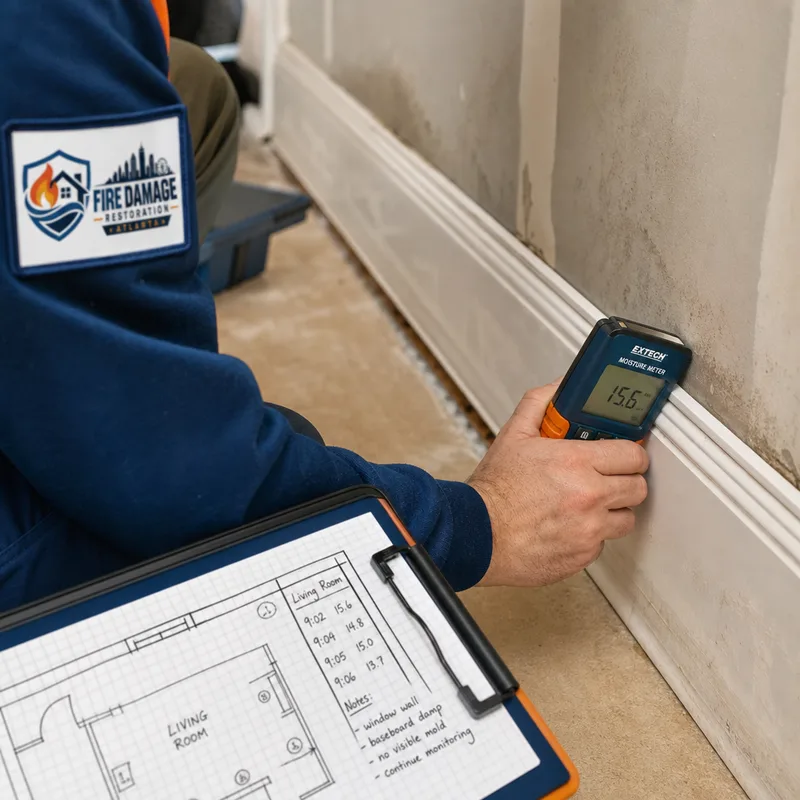
We use moisture meters and thermal imaging where appropriate to locate wet building materials, not just wet surfaces, and document readings so the drying plan is based on data.
Serving Atlanta, Georgia & surrounding areas
24/7 Emergency Response
Fast, careful cleanup after water, smoke, or mold damage with a clear scope, documented progress, and certified technicians who treat your property like it matters.
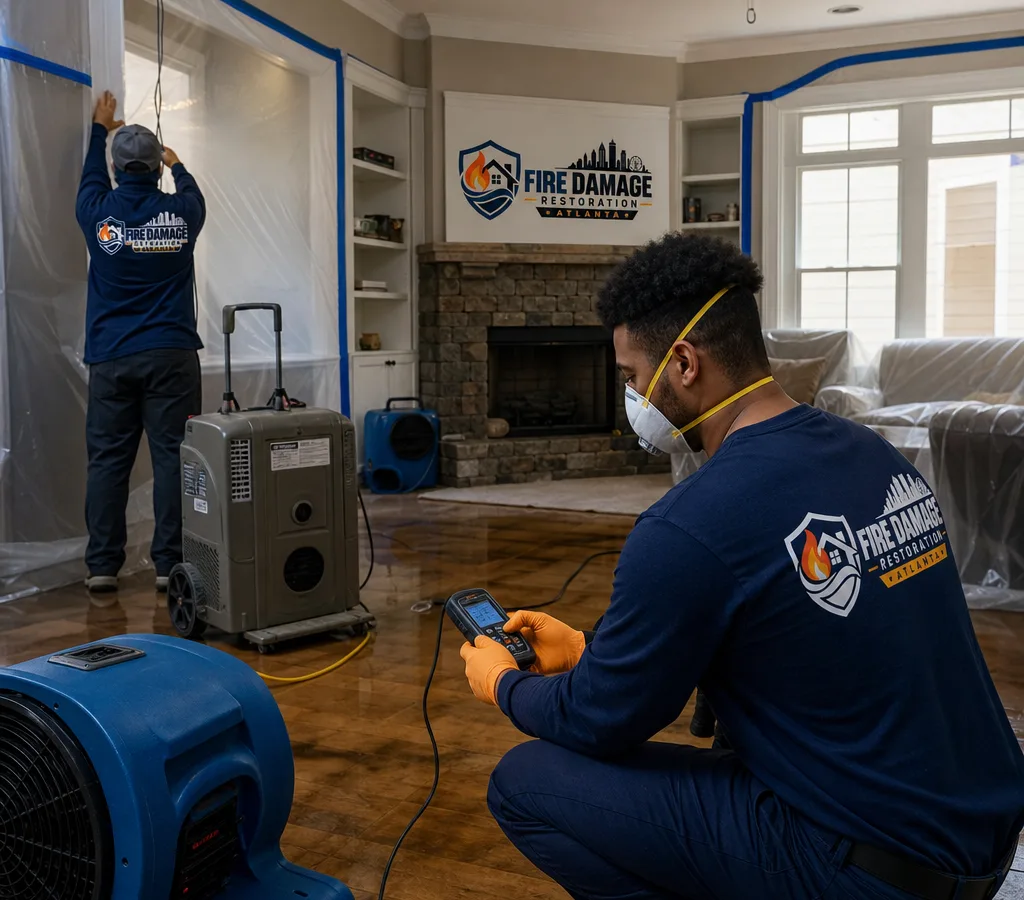
If you searched for water mold fire restoration of atlanta, you are probably dealing with a leak, sewage backup, storm intrusion, smoke residue, or visible growth that needs professional cleanup. The goal is the same in every case: stop the source, prevent the damage from spreading, document conditions, and restore the space to a safe, dry, clean baseline.
Fire Damage Restoration Atlanta handles water, mold, and fire-related damage cleanup across Atlanta, GA. You get a practical plan, a written scope, and responsive updates so you are not guessing what happens next. Many jobs also require coordination with an insurance adjuster and detailed photos, readings, and itemized notes. We build that documentation into the process so decisions can be made quickly.
Atlanta homes often mix older construction with renovations, multi-level layouts, and finished basements. Those details change how water moves through a structure and how smoke odor lingers in materials. A restoration plan has to match the building, not just the category of loss.
We use moisture meters and thermal imaging where appropriate to locate wet building materials, not just wet surfaces, and document readings so the drying plan is based on data.
When mold or soot is present, we set up containment and negative air as needed to limit cross-contamination and keep adjacent rooms usable when possible.
Extraction, dehumidification, and air movement are sized to the affected area so drying stays on pace and materials are not left damp behind walls or under flooring.
Soot and odor removal typically needs a combination of HEPA vacuuming, wet cleaning, and deodorization methods chosen for the surface type and residue.
You receive a written scope and a straightforward estimate. If hidden conditions appear once materials are opened, we review options before the scope changes.
Sewage-impacted contents and porous materials are handled using appropriate PPE, HEPA filtration, and disposal practices for the type of contamination.
Restoration work in Atlanta often starts with one issue and quickly touches the others. A kitchen supply line leak can turn into mold growth behind cabinets. A small fire can lead to water damage from suppression efforts and lingering odor in framing and insulation.
A complete water mold fire restoration of atlanta plan typically covers:
If you are comparing providers, start with the basics: certification and training, documented moisture readings, and a written scope that spells out what is included. You can also get a sense of our approach by viewing Fire Damage Restoration Atlanta and how we communicate scope and expectations.
We identify immediate hazards such as electricity near water, unstable materials, or heavy soot. We also look for the true source so the same loss does not repeat after cleanup starts.
You get a written scope with photos and notes. For water losses we document moisture conditions; for fire losses we document soot patterns and affected surfaces; for mold we document visible conditions and likely moisture drivers.
We set containment when needed, extract standing water, and perform selective removal of unsalvageable porous materials. This is where many projects either stay clean or become a bigger mess, so we keep it organized.
Dehumidifiers and air movers are placed to dry structural materials while we clean residue and impacted surfaces. Smoke odor work is matched to the material: what works for sealed surfaces is different from what works for porous framing.
We re-check moisture levels and walk the affected areas with you. If repairs are next, we provide clear handoff notes so rebuild decisions are made with the right information.
Most water, mold, and fire restoration work in Atlanta typically ranges from about $1,500 to $12,000+, depending on how far the damage spread and how much material has to be removed and replaced. A smaller, contained water loss with drying and minor demo may land in the lower end, while multi-room water damage, sewage contamination, significant mold conditions, or heavy smoke and soot cleanup can push costs higher.
Final pricing depends on affected square footage, category of water (clean vs. contaminated), accessibility (crawlspaces, basements, high ceilings), how long materials stayed wet, the amount of content handling, and whether specialized deodorization is needed. The exact cost is confirmed after an on-site inspection and written scope.
Request Emergency ServiceRestoration in Atlanta has a few practical realities that affect timelines and methods.
Humidity and drying: Atlanta's humidity can slow drying if equipment is undersized or the space is not properly sealed. A good drying plan pairs dehumidification with air movement and checks moisture levels until materials are actually dry, not just warm to the touch.
Mixed housing stock: In areas like Virginia-Highland and Midtown, you may have older plaster walls, original framing, or layered renovations that hide wet cavities. In Buckhead, larger homes and multi-zone HVAC can spread odor and fine soot farther than expected if the system runs after a fire event.
Basements and slab edges: Homes in Morningside-Lenox Park and similar neighborhoods often have finished lower levels or storage areas where small leaks go unnoticed. That can turn a straightforward water cleanup into a mold-sensitive project that needs containment and careful removal.
Traffic and access: Getting equipment in and out matters. In dense parts of Downtown and Midtown, loading constraints and elevators can affect staging, while in residential streets near Piedmont Park, protecting floors and keeping walkways clear helps you keep daily life moving during the work.
If your situation is clearly fire-related and you want a deeper look at smoke residue handling, deodorization options, and what typically gets cleaned versus removed, our fire damage restoration overview explains the decision points without burying you in jargon.
“A supply line leak soaked our hardwoods and the wall behind the cabinets. They mapped the moisture, explained what had to come out, and kept checking readings until it was actually dry. The documentation made the insurance side much easier.”
“After a small fire in the garage, the smoke smell kept coming back. They cleaned the residue properly and walked me through what materials could be saved. The house smelled normal again within days.”
“We had visible growth behind a closet wall after a slow leak. The containment was tidy, they protected the floors, and the scope was clear. No surprise add-ons once work started.”
Start time depends on current workload and the type of loss, but urgent water, sewage, or active smoke odor situations are typically prioritized for rapid response. During scheduling we confirm what is actively getting worse (standing water, wet drywall, ongoing leak, strong smoke odor) and what can wait until the inspection so the first visit focuses on stabilization.
We focus on damage cleanup, drying, remediation, and restoration planning, then provide a clear handoff for repairs when rebuild work is needed. Many customers prefer separating cleanup from reconstruction so the drying and verification steps are completed before finishes go back in.
Mold-sensitive work adds containment, HEPA filtration, and careful removal methods so dust and spores are not spread into clean rooms. The plan also has to address the moisture driver, because surface cleaning alone does not fix a leak, condensation issue, or wet cavity behind finishes.
Yes. We provide photos, notes, and documentation that help support the scope, especially for hidden wet materials, controlled removal, and equipment drying time. Coverage depends on your policy, but clear documentation usually speeds up decisions and reduces back-and-forth.
Most structural drying takes about 3 to 5 days, but the timeline changes with how long materials were wet, the type of flooring and wall assembly, and Atlanta humidity. We confirm progress with moisture readings during the job so drying is based on measurable conditions, not guesswork.
Sometimes, yes, especially for a contained water loss in one area, but it depends on contamination, odor, and what needs to be removed. If sewage is involved, if extensive containment is required, or if strong smoke residue is present, we will tell you what areas should be avoided and what temporary steps make the space safer.
Tell us what happened and what areas are affected. We will assess conditions, explain the cleanup plan in plain language, and provide a written scope you can use to make confident next steps.