Smoke and soot removal
Soot is acidic and can keep damaging finishes and metals. We use controlled dry cleaning methods, wet cleaning where appropriate, and HEPA filtration to reduce residue and airborne particles.
Serving Atlanta, Georgia & surrounding areas
24/7 Emergency Response
Fire damage moves fast. Our local team responds quickly to secure the property, remove smoke and soot, dry any water from firefighting efforts, and coordinate repairs so you can get back to normal with a clear plan.
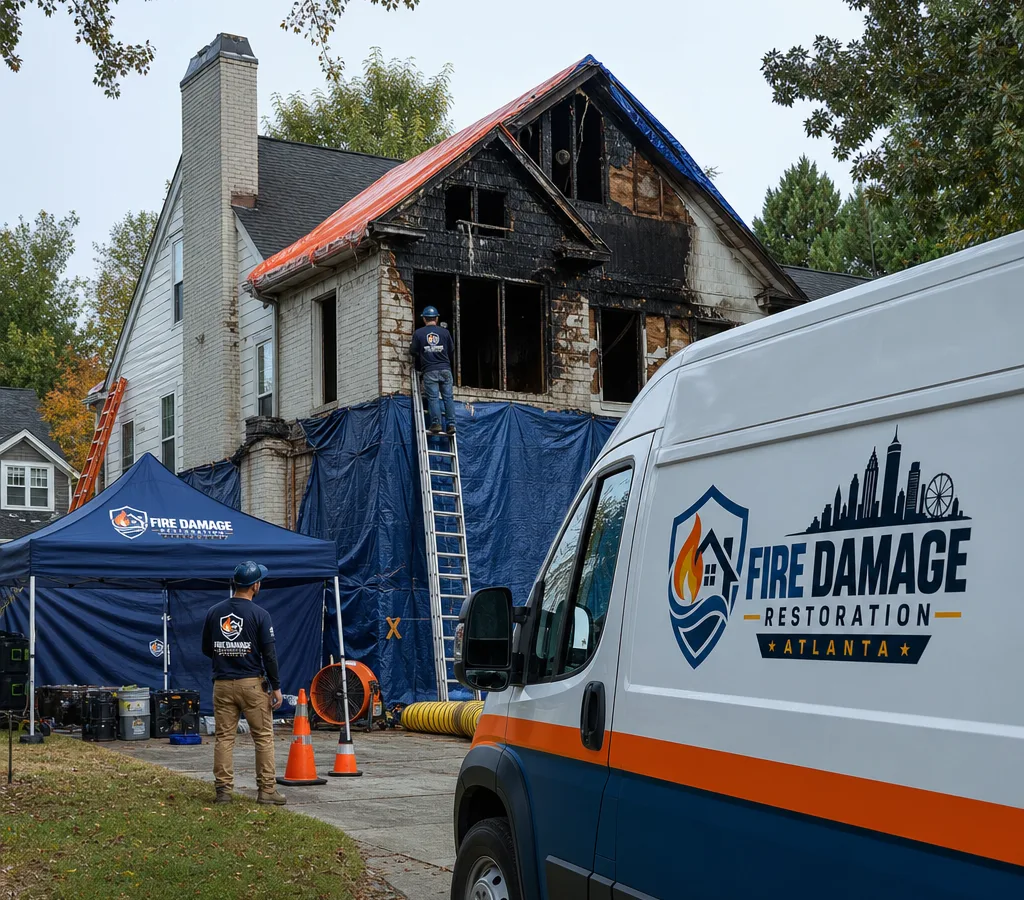
If you are searching for atlanta fire and restoration, you usually need two things at once: immediate damage control and a repair plan you can trust. Fire and smoke can affect areas that do not look damaged at first glance, including attic framing, wall cavities, HVAC returns, and contents stored behind closed doors. In Atlanta, the mix of older homes—including properties with plaster, lath, and some balloon framing—and newer builds means every job starts with a careful inspection, not assumptions.
Fire Damage Restoration Atlanta handles the full cycle of fire restoration work: emergency stabilization, debris and soot removal, smoke odor control, documentation, and reconstruction. We keep the scope practical and transparent, so you know what is being cleaned, what must be removed, and what needs to be rebuilt.
If you are still in the first hours after a fire, the priorities are consistent:
For an overview of who we are and the areas we serve, you can see Fire Damage Restoration Atlanta and then come back to this service for the details.
The first visit is about stabilizing the situation and mapping the work. We check for compromised framing, damaged roof decking, and unsafe electrical conditions, then move into containment so smoke residue does not travel into clean areas.
Common first-step work includes:
Atlanta traffic and access can change how quickly equipment and dumpsters can be staged. For properties with tight driveways or limited street parking, common in many intown neighborhoods, we plan containment and debris removal to keep the site safe and orderly.
We also document conditions with photos and notes as we go. That documentation matters later if you are coordinating with an adjuster, a property manager, or a landlord.
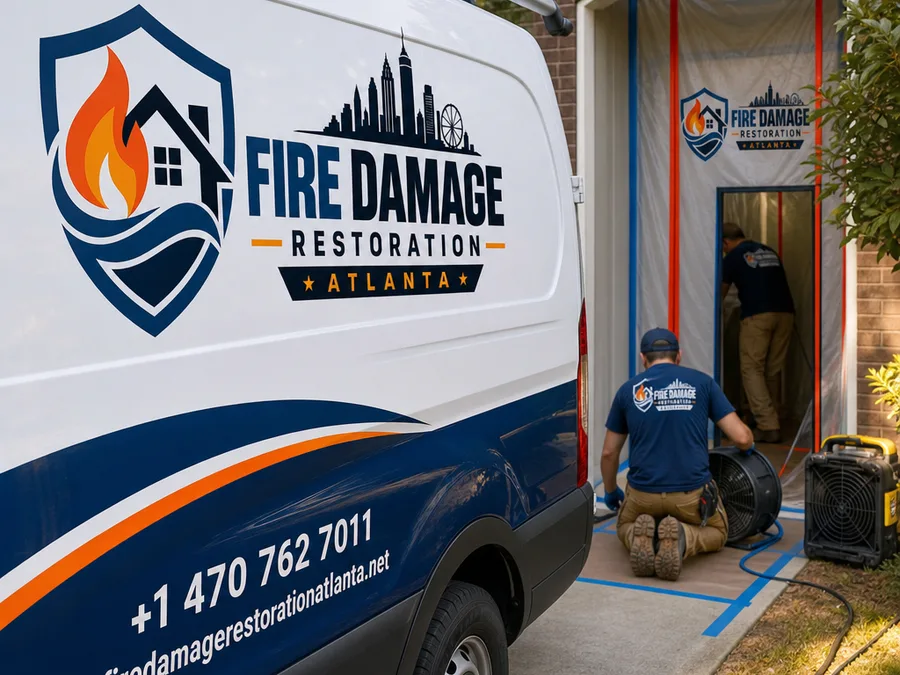
Soot is acidic and can keep damaging finishes and metals. We use controlled dry cleaning methods, wet cleaning where appropriate, and HEPA filtration to reduce residue and airborne particles.
Smoke smell usually comes from residue in porous materials and hidden cavities. We combine surface cleaning with source removal, sealing when needed, and deodorization methods matched to the materials.
Some materials can be cleaned; others cannot. We remove unsalvageable drywall, insulation, cabinetry, flooring, or charred framing as needed to reach clean, stable substrates for rebuild.
Suppression water can soak subfloors, baseplates, and insulation. We dry the structure with professional dehumidification and airflow, and we monitor moisture so repairs do not trap damp materials.
After the cleanup and drying phase, we rebuild what was removed: drywall and paint, trim, flooring, cabinets, roofing patches, and other interior and exterior repairs based on the approved scope.
Clear photos, line-item scopes, and notes help reduce delays and disagreements. We can coordinate timing and access for inspections when required.
Atlanta properties vary block to block, and that affects how fire and smoke behave and how restoration is performed.
Midtown and Old Fourth Ward: Condos and townhomes can allow smoke to migrate through shared walls, chases, and common mechanical spaces. Containment and air filtration become priorities for limiting cross-contamination.
Buckhead: Larger homes often have more affected contents, multiple HVAC zones, and higher-end finishes. That changes the cleaning approach and the time needed for detailed odor control.
East Atlanta and Virginia-Highland: Older housing stock can contain layered materials, such as older plaster under newer paint or mixed framing types. We verify what is present before choosing cleaning methods so soot is not pushed deeper into porous substrates.
Across the metro, humid weather can slow drying if the structure is closed without proper dehumidification. When water damage accompanies fire damage, drying and moisture monitoring are treated as part of the fire restoration scope, not a separate step.
If the fire involved significant water intrusion and you need a deeper plan for drying, our water damage restoration service explains what to expect with moisture mapping, equipment, and rebuild timing.
Request Emergency ServiceWe evaluate structural safety, electrical risks, and the extent of smoke and soot migration. If needed, we secure openings and protect the roofline to reduce weather exposure.
We isolate affected areas, set filtration where it helps, and plan traffic paths so residue is not tracked into clean rooms.
We remove unsalvageable materials, clean surfaces that can be restored, and dry wet building materials from suppression water. Moisture readings guide when rebuild can start.
After source removal and cleaning, we treat odor at the material level and verify that the property is ready for finish work and occupancy goals.
We rebuild to the agreed scope and review the completed areas with you so you know what was addressed, what was replaced, and any maintenance or follow-up recommendations.
Fire and restoration in Atlanta typically ranges from about $3,000 to $15,000+ for smaller, contained losses, while larger fires with demolition and reconstruction often run $25,000 to $100,000+ depending on how much of the structure and contents are affected. Light smoke cleanup in one area is usually the lowest tier; full-room or multi-room restoration with rebuild is the highest.
Final cost depends on soot type and spread, including wet versus dry soot, how much drywall or insulation must be removed, water damage from suppression, HVAC involvement, access and debris handling, and the level of finish being restored. The exact price is confirmed after an on-site inspection and a written scope.
Request Emergency Service“After the fire, the smoke smell was in rooms that never had flames. The crew explained what could be cleaned, what had to come out, and why. The scope was clear, and the repairs matched what we agreed to.”
“They handled board-up the same day and kept the site contained so soot did not get tracked through the house. Communication was straightforward, especially when the adjuster had questions.”
Response time depends on current demand and travel conditions, but the goal is rapid stabilization so the property can be secured and secondary damage is reduced. During the first visit, we focus on safety, containment planning, and documenting the affected areas so cleanup can start in a controlled way.
Smoke odor can usually be removed when the residue source is cleaned or removed and the affected cavities and porous materials are addressed. Odor often returns when only air fresheners are used or when charred or soot-impacted materials remain behind drywall, in insulation, or inside HVAC pathways.
Many items can be saved if they are not heat-damaged and the soot type allows safe cleaning, but some porous materials absorb residue too deeply. During inspection we separate salvageable contents from non-salvageable items and explain the handling plan so you can make informed decisions before disposal.
Yes, we can support insurance claims by providing photos, notes, and a written scope that aligns with restoration line items. You should document visible damage with wide shots and close-ups, keep claim correspondence, and avoid discarding major items until they are photographed and the claim path is clear.
It depends on the extent of soot, odor, and compromised building materials, as well as whether utilities can remain safely on. If work requires heavy demolition, extensive odor treatment, or soot is present in living areas, temporary relocation is often the practical choice until cleanup and air-quality controls are completed.
Small, contained smoke cleanup may take a few days, while projects with demolition, drying, and reconstruction commonly take several weeks or longer. Timeline is driven by the amount of material that must be removed, moisture conditions from suppression water, inspection scheduling, and the rebuild scope you approve.
Tell us what happened and what parts of the property are affected. We will walk you through immediate next steps, provide a written scope, and coordinate cleanup and repairs with the urgency the situation deserves.