Dwelling (Coverage A)
Repairs to the structure: framing, drywall, insulation, roofing, flooring, built-ins, and attached systems. The scope should match what is required to return the home to pre-loss condition.
Serving Atlanta, Georgia & surrounding areas
24/7 Emergency Response
One call instead of ten No web forms, no callback spam 24/7 Emergency Response
Get clear, practical guidance on what your policy typically pays for after a fire, what can be denied, and what to do first so you can protect the claim and the home.
✓ Skip the 3-hour Google rabbit hole — we’ve already done the vetting
✓ One conversation, not ten voicemails and seven web forms
✓ 24/7 emergency response — talk to a real person who actually knows Atlanta Restoration
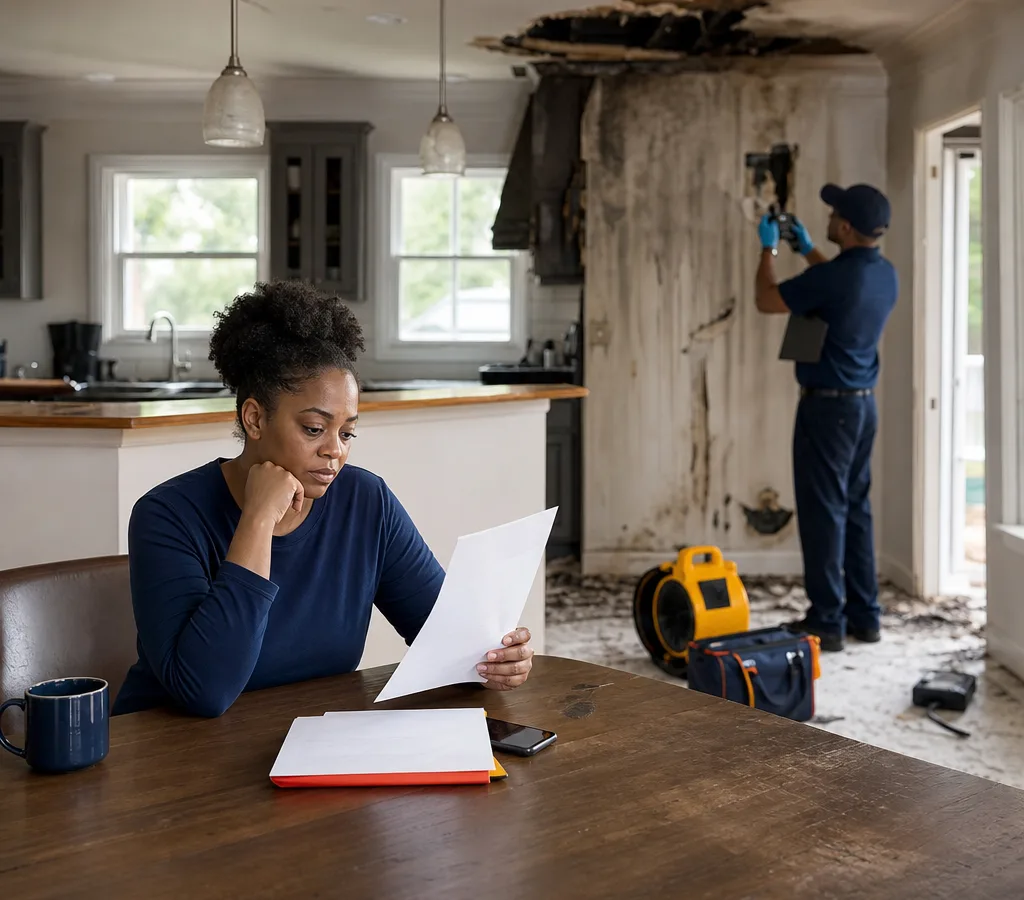
If you are searching does homeowners insurance cover fire damage Atlanta GA, the practical answer is: it often does, but the details depend on your policy type, the cause of the fire, and how well the loss is documented.
Most homeowners policies include dwelling coverage for fire damage to the structure, other structures for detached garages or sheds, personal property for contents, and loss of use (ALE) if the home is not livable. Coverage generally applies to sudden, accidental fires, including electrical, cooking, and many appliance-related incidents.
What changes the outcome is not the word “fire” alone. Your deductible, coverage limits, replacement cost versus actual cash value, endorsements, and exclusions all affect what is paid and what is not.
Because claims move quickly, document the condition immediately, prevent additional damage, and keep a clean paper trail. Our team works alongside homeowners and adjusters with detailed photos, written scopes, and job notes so the claim has clear support.
Usually, yes. A house fire in Atlanta almost always comes with multiple kinds of damage, and most policies treat them as part of the same covered loss when they result from a covered fire.
Smoke and soot: Insurance commonly covers cleaning and restoration when smoke residues affect walls, ceilings, HVAC returns, cabinets, and contents. Soot can be oily and acidic, and it can keep corroding metals and staining surfaces if it is not addressed quickly.
Water from suppression: If the fire department or occupants used water to put the fire out, the resulting water damage is typically covered because it is a direct result of the fire event.
Hidden moisture and secondary damage: In Atlanta’s humid conditions, wet materials can develop odor and microbial growth fast. A carrier may push back if moisture was left for days without mitigation, so early drying and dehumidification can matter as much as the initial fire cleanup.
Tip: Keep any damaged materials that are removed when safe, and ask for a clear inventory of what was taken out and why. That record helps align contractor scope with what the adjuster expects to see.
Repairs to the structure: framing, drywall, insulation, roofing, flooring, built-ins, and attached systems. The scope should match what is required to return the home to pre-loss condition.
Detached garage, fence sections, and storage buildings. This matters for Atlanta properties with separate garages or accessory structures.
Furniture, clothing, electronics, and household items. Your insurer may require an itemized inventory with age, description, and photos when available.
Extra living expenses if the home is not safe to occupy. Keep receipts and written notes on dates the home was unlivable and why.
Hauling of damaged building materials and professional cleaning for smoke residue and odor. The carrier may separate cleaning and rebuild line items.
Helps pay for required code-related upgrades when repairing. This can come up when older assemblies are opened and must be rebuilt to current standards.
Coverage decisions come down to cause of loss and policy language. Fire is a standard covered peril on many homeowners forms, but that does not mean every situation pays the same way.
Replacement cost versus actual cash value: Many policies pay actual cash value first, then release recoverable depreciation after repairs or replacement. Confirm what documentation the carrier needs to release the second portion.
Atlanta homes often include older finishes and mixed construction eras. Once damaged materials are opened, code-required updates can become part of the conversation. Ordinance or law coverage, when present, can make a significant difference.
📞 Atlanta • 24/7 ResponseDo not re-enter until authorities say it is safe. If the structure is unstable or utilities are compromised, access may be restricted until a professional secures the property.
Take wide and close photos of every room, affected contents, and any water intrusion. Write down what happened, approximate times, and who responded.
Boarding up openings, tarping, and basic moisture control can prevent theft, rain intrusion, and rapid deterioration. Insurance often expects reasonable steps to stop further damage.
Create a room-by-room inventory for your adjuster. Include model numbers when available and note items exposed to smoke even if they are not visibly burned.
Fire claims are easier to reconcile when emergency stabilization, drying, and soot cleaning are clearly separated from reconstruction, with photos tied to each line item.
Save receipts, temporary housing paperwork, emails, and a log of conversations. When questions come up later, a simple timeline often resolves them quickly.
Fire damage restoration in Atlanta typically ranges from about $3,000 to $12,000 for smaller, contained losses, while larger fires with heavy smoke, demolition, drying, and rebuild coordination can run $25,000 to $100,000+ depending on square footage and materials.
Final price depends on how far smoke traveled, how much water was used to extinguish the fire, what must be removed versus cleaned, access and disposal needs, and whether the job includes structural repairs. The exact scope and cost are confirmed after an on-site inspection and documentation.
📞 Atlanta • 24/7 ResponseIf you are dealing with an active claim, the fastest way to reduce stress is a clear written scope with photos so you and your adjuster can agree on what needs to happen next.
Call Now · (470) 762-7011Yes, a sudden accidental kitchen fire is typically covered under standard homeowners policies, including structural damage and smoke residue that spreads beyond the kitchen. Coverage is still subject to your deductible, limits, and policy conditions, so documentation and a consistent scope of work matter.
Often, yes, when the smoke damage is part of a covered fire loss. Insurers usually expect the contractor to document affected rooms and use appropriate cleaning methods for the soot type, plus deodorization steps, so the work is tied directly to the loss.
In many cases it is covered because the water damage results from extinguishing a covered fire. Drying, dehumidification, and removal of wet materials should start promptly, especially in Atlanta’s humidity, because delays can create secondary damage that may be disputed.
Sometimes, but vacancy rules vary by policy and time period. If the home was unoccupied for an extended time, the insurer may apply restrictions or require specific endorsements, so confirm the vacancy language and provide clear dates.
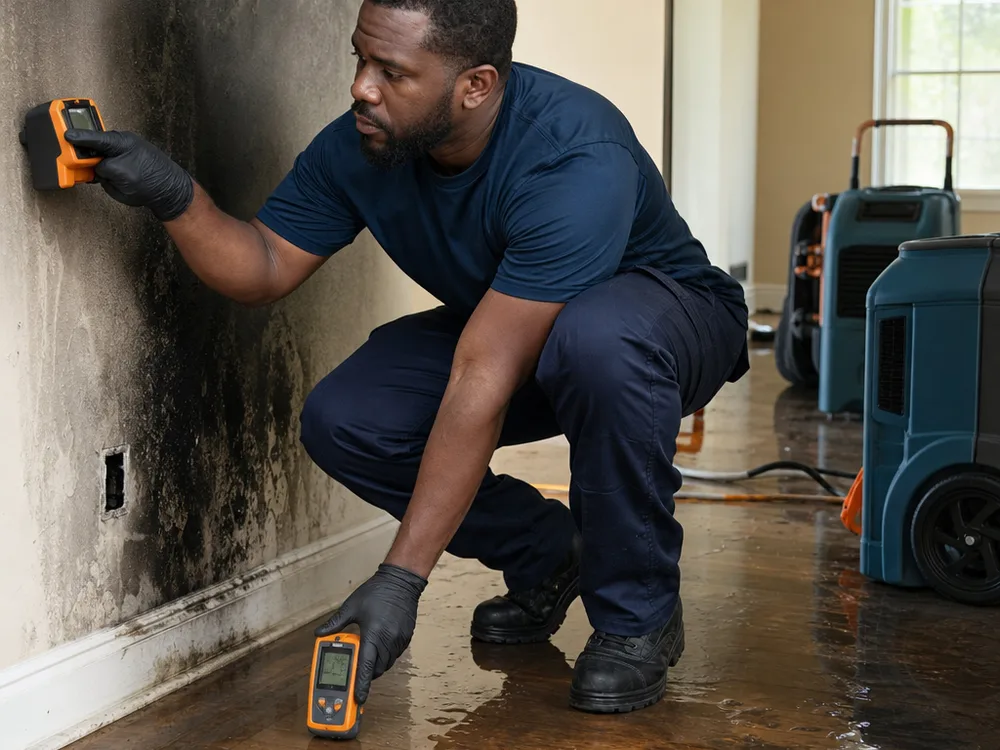
They typically need photos, a written scope with quantities, a rationale for demolition, and documentation of affected materials and areas. For contents, they often require an itemized inventory. Moisture readings and soot-condition documentation can help keep the scope aligned with what the carrier recognizes.
You generally should not wait to address safety issues or prevent further damage, but document conditions thoroughly before work begins. Emergency stabilization, board-up, and drying can often proceed while the claim is being opened when the work is reasonable and well documented.
In many cases, homeowners can choose their contractor even if the insurer suggests a vendor. The key is getting a detailed, defensible scope and communicating with the adjuster so the repair plan and pricing approach are understood early.
Share what happened and what your insurer has asked for. We will help you document the damage, outline next steps, and provide a written scope that supports a clean, well-supported claim decision.